

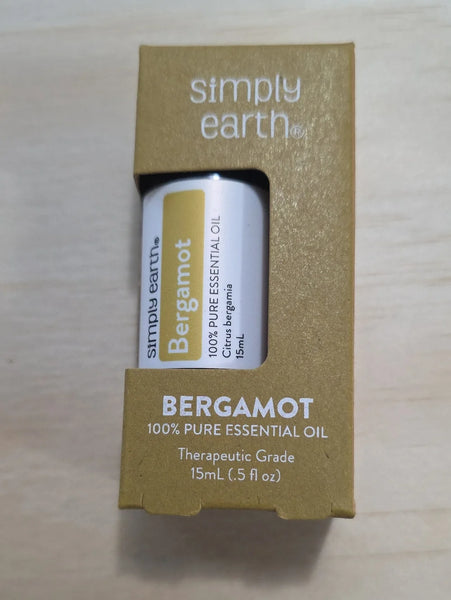
Zoom
Bergamot
Citrus bergamia · Rutaceae
Bergamot is a cultivated citrus, not a wild tree. It is grown mainly along the Calabrian coast of southern Italy, where the peel oil has long been produced. Trees typically stand a few metres high, with long, often thorny branches and small, pear-shaped fruit. The fruit is too bitter to eat as a table citrus; its value is the oil expressed from the rind.
The name is linked in trade history to Bergamo, Italy, where the oil was first sold. Another common etymology is the Turkish beg-armudi (“prince’s pear”), from the shape of the fruit. In Italian folk practice the oil was used for fevers and other complaints.
Botanical name: Citrus bergamia
Origin: Italy (Calabria)
Extraction: Cold-pressed
Plant part: Peel
Aroma: Citrus and floral
Note: Top
Blending factor: 7
Consistency: Thin
Color: Golden green
Blends well with: Black pepper, clary sage, cypress, frankincense (Boswellia), geranium, jasmine, green mandarin, nutmeg, sweet orange, rosemary, sandalwood, vetiver, ylang ylang
Main constituents: Limonene, linalyl acetate, linalool
Expressed bergamot oil is phototoxic. Use FCF (bergapten-free) oil on skin that will be exposed to sun, or keep dilution low and avoid UV.
